

The Nature of Luck in Gambling
Luck is often regarded as the driving force behind winning in gambling, but its actual role is more nuanced than many believe. While chance is a fundamental aspect of games that involve randomness, it’s crucial to distinguish between luck and skill. Many gambling activities, particularly games like poker or sports betting, rely heavily on strategy and decision-making, alongside the random outcomes that chance provides. For those interested in enhancing their gaming experience, a good option is to explore a fast withdrawal online casino that emphasizes both skill and excitement. This distinction leads to the misconception that luck alone determines the outcome of every game, overshadowing the importance of skill and informed choices in gambling.
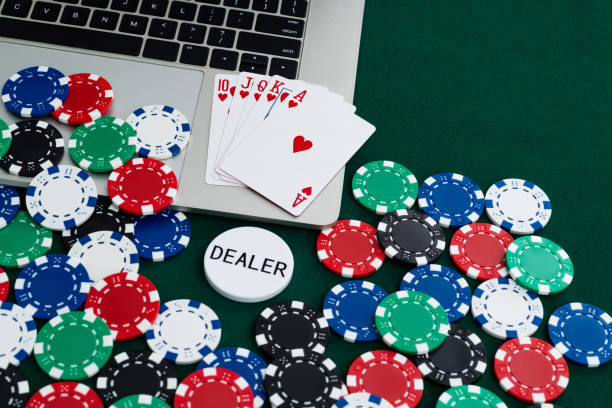
Moreover, the concept of luck can be culturally influenced, with various societies attributing different meanings and significance to it. For instance, some players might carry lucky charms or follow specific rituals, believing these actions will influence their success. However, these beliefs can mask the statistical reality of gambling, where outcomes are dictated more by probabilities than by mystical forces. Understanding this can help players approach gambling with a clearer mindset, focusing on informed choices rather than relying solely on luck.
In the end, while luck plays a role, it’s important to recognize that the excitement of gambling comes not just from hoping for good fortune but also from the strategic elements that can sway the odds in one’s favor. By acknowledging the interplay between luck and skill, players can better prepare themselves for the realities of gambling, develop their skills, and make more informed decisions about their gameplay. This balanced perspective fosters a healthier relationship with gambling, allowing for enjoyment without unrealistic expectations.
Common Myths About Luck
One of the most prevalent myths in gambling is the idea that previous outcomes can influence future results in games of chance. This is often referred to as the “gambler’s fallacy,” where players believe that a certain outcome is due simply because it hasn’t occurred recently. For example, if a roulette wheel has landed on red several times in a row, some players may feel that black is “due” to appear. This line of thinking disregards the fact that each spin or roll is an independent event, governed by its own probabilities. Understanding this fallacy can significantly alter a player’s approach to games of chance.
Another common myth is the belief that certain players have a “lucky streak” that can enhance their chances of winning. This notion can lead to a false perception that some individuals possess special abilities or charm that can sway the odds in their favor. In reality, outcomes are random, and any perceived winning streaks are merely statistical coincidences rather than evidence of a player’s unique luck. Such myths can lead to misguided decisions based on superstition instead of sound judgment, ultimately detracting from the enjoyment and strategy involved in gambling.
Finally, many gamblers assume that the house always has an unbeatable edge, which can deter them from engaging with games altogether. While it’s true that casinos have a built-in advantage in most games, understanding the rules, odds, and strategies significantly levels the playing field. Players who invest time in research and practice can mitigate the house edge effectively. This understanding dispels the myth that winning is solely a matter of luck, emphasizing the importance of skill and knowledge in gambling success. Recognizing this can encourage players to participate more confidently, knowing they can influence their outcomes through informed choices.
The Role of Strategy in Gambling
While luck is an essential part of gambling, strategy is equally crucial. Consider poker, a game that not only involves chance but also incorporates skillful decision-making. Players must evaluate their hand strength, assess their opponents’ behaviors, and decide on their actions accordingly. In this context, luck may determine the cards dealt, but success in the long run is largely attributed to the strategic choices a player makes based on their knowledge and experience. This blend of skill and luck is what makes poker a fascinating and complex game.
Even in games that initially seem purely luck-based, like lottery games, players can adopt strategies to improve their chances of winning. For instance, selecting numbers that are less commonly chosen can maximize potential payouts in the event of a win. While this doesn’t increase the chances of winning per se, it enhances the overall strategy surrounding prize allocation, demonstrating that informed choices can shape outcomes in meaningful ways. Such strategic thinking can turn a purely luck-driven game into one where a player feels more in control of their fate.
Moreover, understanding the odds and payouts of various games plays a significant role in crafting an effective gambling strategy. For instance, knowing the house edge of a specific game can inform a player’s decision on how to best allocate their bankroll. This knowledge empowers players to make calculated risks rather than relying on mere chance, showcasing that while luck is unpredictable, strategic planning can lead to more favorable results over time. The importance of strategy reinforces the idea that informed gambling can be both enjoyable and potentially profitable.
Mentality and Emotional Factors in Gambling
The mental approach a player takes toward gambling can heavily impact their experience and success. A common myth is that maintaining a positive mindset will directly influence luck. While optimism can bolster a player’s enjoyment and resilience during play, it does not possess the power to alter the inherent randomness of games. A balanced mentality, however, can help players make clearer, more rational decisions instead of succumbing to emotional impulses driven by wins or losses. Recognizing this can lead to a more enjoyable gambling experience.
Emotional factors also play a crucial role in understanding gambling behavior. Players often experience highs and lows, leading some to chase losses in hopes of regaining their previous stakes. This emotional response can lead to poor decision-making and can detrimentally affect a player’s financial situation. Acknowledging these psychological aspects of gambling equips players with the knowledge to manage their behavior effectively, allowing them to maintain control and make more strategic choices. By understanding their emotions, players can improve their gambling habits.
Furthermore, recognizing the importance of setting limits is essential in fostering a healthy gambling habit. Players should establish time and financial boundaries before engaging in any gambling activity. This proactive approach reduces the likelihood of emotional decision-making as losses accumulate, reinforcing the idea that gambling should be enjoyed as a form of entertainment, rather than solely as a means of income or a path to luck. By creating a structured approach to gambling, players can enhance their overall experience while minimizing risks.
Understanding Gambling Resources and Responsible Play
The online gambling world offers various resources designed to educate players about games, odds, and strategies. Websites dedicated to gambling education provide insights into how different games work, the probabilities involved, and the strategies that can help improve outcomes. Utilizing these resources can demystify gambling, allowing players to foster a more informed relationship with games based on knowledge rather than superstition. This educational aspect is crucial for players who wish to enhance their skills and understanding of various gambling formats.
Engaging with these educational platforms also promotes responsible gambling practices. Understanding the risks associated with gambling and recognizing the signs of problem gambling can empower individuals to seek help when necessary. Many websites feature support services, including chatlines and forums where players can discuss their experiences and receive guidance. These communities can offer valuable support, creating a safer gambling environment. By participating in these discussions, players can share strategies and experiences, fostering a sense of community.
Ultimately, the balance between luck and strategy lies at the heart of many gambling experiences. By seeking out information, fostering a responsible gaming attitude, and understanding the real dynamics of gambling, players can enjoy their time at the tables or online while minimizing the impact of negative myths about luck. Knowing that luck is merely one component of a broader equation helps players cultivate a more rewarding and sustainable gambling experience. This approach emphasizes that informed players are often more successful and satisfied with their gambling endeavors.